Iran War Escalation: Global Economic Fallout from Expanded Middle East Conflict
The Middle East, a region perpetually at the nexus of geopolitical power plays and vital global resources, is once again confronting a dramatic escalation of conflict. The recent expansion of the Iran-Israel war, initially simmering as a proxy struggle, has burst into open confrontation, sending shockwaves across the globe. This intensifying Iran-Israel war is not merely a regional crisis; it's a profound threat to international stability, commodity markets, and the intricate web of global supply chains. As the conflict deepens, marked by direct strikes and strategic assassinations, the world braces for significant economic fallout.
The direct engagement between Israel and Iran, with the United States' clear backing for the former, fundamentally alters the geopolitical landscape. The ramifications are complex, touching everything from energy prices and trade routes to investor confidence and humanitarian crises. Understanding the multifaceted impacts of this expanded conflict is crucial for businesses, policymakers, and individuals navigating an increasingly uncertain world.
The Spark Ignites: Escalation and the Khamenei Factor
The pivot point for this dramatic escalation was the killing of Iran's Supreme Leader, Ayatollah Ali Khamenei, in a joint U.S.-Israeli strike. This audacious act, described by U.S. Defense Secretary Pete Hegseth as the "most precise aerial operation in history," reverberated instantly across the globe. Khamenei's death, after decades at the helm of the Islamic Republic, not only decapitated Iran's spiritual and political leadership but also unleashed a torrent of retaliatory actions and heightened tensions. President Donald Trump underscored the strategic intent, stating the operation would continue until "all of our objectives" are achieved, signaling a prolonged and determined campaign.
Before this direct confrontation, the region was already a tinderbox. Israel was deeply entrenched in its conflict in Gaza and Lebanon, while simultaneously striking targets in Syria, Yemen, and Qatar. The decision to open a direct battlefront with Iran represents a significant gamble, fraught with the risk of igniting a much wider, uncontrolled regional war. The joint U.S.-Israeli strikes targeted crucial Iranian military infrastructure, including Revolutionary Guard command facilities, air defense systems, and missile and drone launch sites. This aggressive posture has transformed the long-standing Iran-Israel proxy conflict into an overt military engagement.
Internally, Iran faces immense pressure. Even prior to the recent strikes, the Iranian theocracy grappled with widespread dissent fueled by economic hardship and anti-government protests, which activists claim resulted in thousands of deaths. The unexpected death of Khamenei has thrust the country into an uncertain succession crisis, with a provisional governing council tasked with naming a new supreme leader amidst escalating external threats and internal instability. The future of Iran's Islamic Republic – whether it collapses or survives – presents a spectrum of risks and opportunities for the region and the world. For a deeper dive into the initial strategic moves, read our related article: US-Israel Strikes & Khamenei's Death: The New Middle East Battlefront.
The Global Economic Quake: Oil, Trade, and Beyond
The most immediate and palpable impact of the expanded Iran war has been the seismic shock to the global economy, particularly in key sectors. Fears of a wider war and significant damage to the world economy have quickly materialized.
Energy Market Volatility
The Middle East is the world's primary oil producer, and any significant instability directly impacts global energy security. The escalating conflict has led to unprecedented soaring oil prices, driven by fears of supply disruptions. Iran has explicitly expanded its attacks to regional oil infrastructure, directly targeting the lifeblood of the global economy. A prime example is QatarEnergy, one of the world's top suppliers of liquefied natural gas (LNG), which announced a halt to its production due to attacks on its facilities. This single move alone takes a massive chunk of global energy supply off the market, forcing nations to scramble for alternative sources and pushing up utility costs for consumers worldwide. The strategic Strait of Hormuz, a critical choke point for a significant portion of global oil and gas shipments, remains under threat, amplifying the volatility.
Supply Chain Disruptions
Beyond energy, the conflict threatens global supply chains. With flights canceled, shipping suspended, and port operations impacted across the region, the movement of goods becomes increasingly precarious. Major shipping routes, especially those traversing the Red Sea and potentially the Persian Gulf, face severe risks, leading to longer transit times, higher insurance premiums, and increased operational costs for businesses. This disruption affects everything from consumer electronics and automotive parts to food products, contributing to broader inflationary pressures globally. The mistaken downing of three American fighter jets by Kuwait, despite the pilots ejecting safely, underscores the chaotic and dangerous environment for all air traffic.
Investor Confidence and Inflation
Global financial markets react swiftly to uncertainty, and the expanding Iran-Israel war has triggered a sharp decline in investor confidence. Markets typically seek stability, and the prospect of a prolonged, expanding conflict in such a critical region prompts a flight to safe-haven assets, while riskier investments suffer. This can lead to increased market volatility, currency fluctuations, and a slowdown in global investment. Compounding this, the surge in energy and shipping costs feeds directly into inflation, potentially forcing central banks to reconsider monetary policies, even risking a global recession.
Navigating Uncertainty: Regional Stability and Humanitarian Concerns
The military escalation involving Iran and Israel extends far beyond economic figures, directly impacting regional stability and creating a dire humanitarian crisis. The coordinated strikes from Iran and Iranian-backed militias against Israel, Arab states, and U.S. military targets illustrate the complex web of interconnected conflicts. Retaliatory Israeli strikes in southern Lebanon against Hezbollah militants have already resulted in numerous casualties, deepening the human toll.
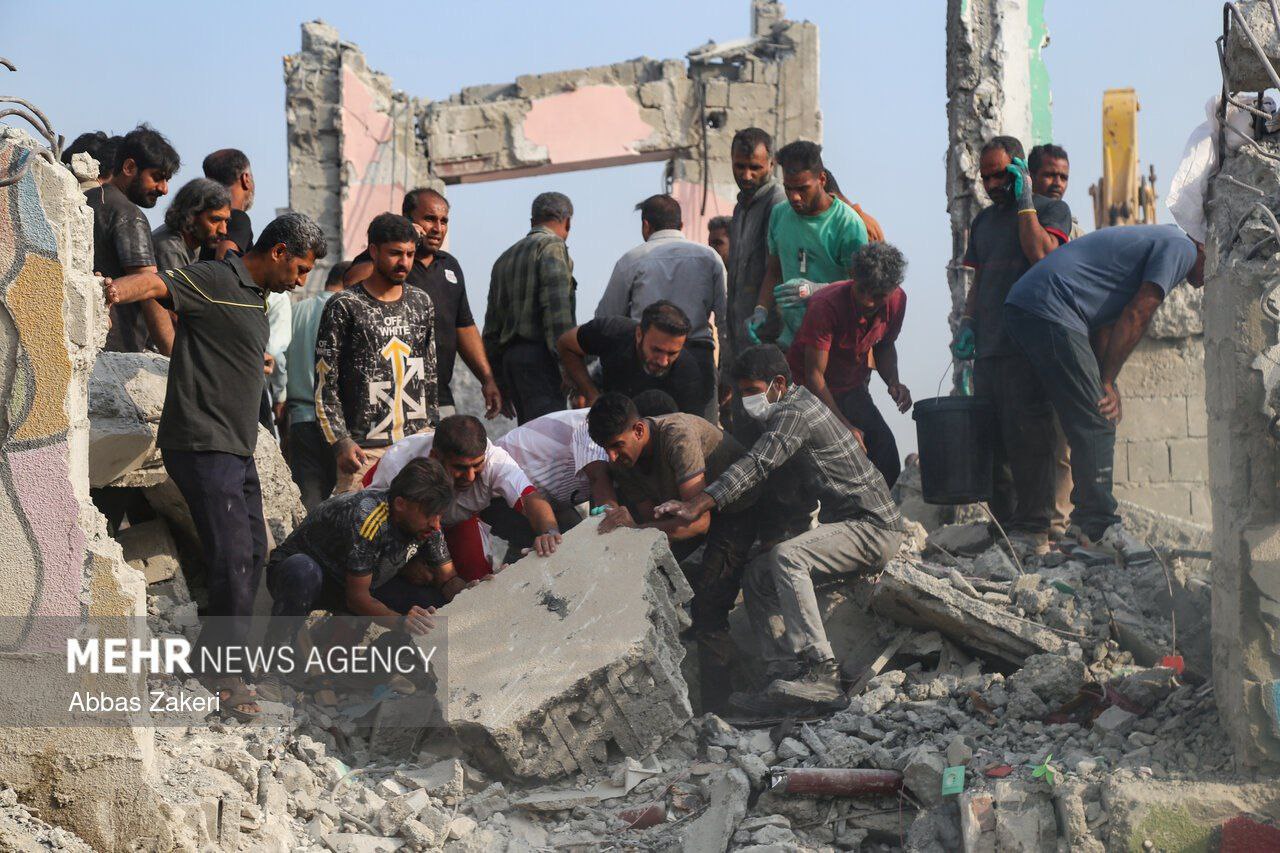
The human cost of this conflict is staggering. The Iranian Red Crescent Society reported at least 555 deaths across 131 cities in Iran, with strikes even taking Iran's state television off the air in Tehran. Furthermore, four U.S. service members were killed in the initial attack and subsequent operations. Beyond the immediate casualties, the conflict fuels massive displacement, exacerbates existing humanitarian challenges, and strains aid organizations already struggling in the region. The potential for millions to become refugees, seeking safety in neighboring countries and beyond, is a grim reality that could overwhelm international resources and create new political crises.
The fundamental question remains: what are the long-term risks of Israel opening another battlefront against Iran, and what happens if the Islamic Republic either collapses or survives this onslaught? Each scenario presents its own set of dangers, from a power vacuum leading to further fragmentation and extremism, to a defiant and vengeful Iran intensifying its proxy wars. The path ahead is fraught with peril, making it imperative for international diplomacy to seek de-escalation pathways. For more on the broader geopolitical implications, refer to: Beyond Gaza: Israel's Expanding War & Iran's Uncertain Future.
Preparing for Economic Fallout: Strategies for Businesses and Individuals
In the face of such profound global economic uncertainty, both businesses and individuals must adopt proactive strategies to mitigate potential risks and build resilience.
For Businesses:
- Diversify Supply Chains: Reduce reliance on single regions or routes by exploring alternative suppliers and transportation methods.
- Hedge Against Commodity Price Swings: Utilize financial instruments to protect against volatile energy and raw material costs.
- Scenario Planning: Develop contingency plans for various escalation scenarios, including severe disruptions to shipping, energy rationing, or cyberattacks.
- Enhance Cybersecurity: Geopolitical tensions often correlate with increased cyber threats; strengthen digital defenses.
- Maintain Strong Cash Reserves: Ensure sufficient liquidity to weather periods of economic downturn or increased operational costs.
For Individuals:
- Budget for Higher Costs: Anticipate increased expenses for fuel, utilities, and imported goods, and adjust personal budgets accordingly.
- Review Investments: Consider diversifying portfolios to include assets that historically perform well during uncertainty, such as certain commodities or defensive stocks. Avoid over-exposure to highly volatile sectors.
- Build Emergency Funds: A robust savings cushion becomes even more critical in times of economic instability, providing a buffer against job loss or unexpected expenses.
- Stay Informed: Keep abreast of global developments and their potential impact on local economies and personal finances.
The precision and scale of the U.S.-Israeli campaign against Iran demonstrate a new level of military engagement, but the long-term consequences are still unfolding. The interconnected nature of the global economy means that a conflict in the Middle East, particularly one involving major energy producers and critical trade routes, will inevitably send ripples far beyond its geographical boundaries. Tehran's "expansionist and Islamist regime," as described by U.S. officials, has certainly seen its influence challenged, but the path to a stable resolution remains opaque.
The escalating Iran war marks a perilous new chapter for the Middle East and the global economy. The direct engagement between Iran and Israel, fueled by strategic strikes and the death of a supreme leader, has already triggered significant economic fallout, from soaring oil prices and disrupted supply chains to a dip in investor confidence. While the military operations are precise, their economic reverberations are anything but, promising continued volatility and uncertainty across markets. As the world watches the unfolding situation, the imperative for diplomatic solutions and strategic foresight has never been greater, emphasizing the fragile interconnectedness of peace, prosperity, and global security.